The choice between these option instruments and straight forward exchange contracts normally comes down to the following considerations:. In some respect, hedging with collars is akin to having permanent orders in the market to deal at more favourable exchange rate levels with protection on the other side along the way.
- city forex limited uk;
- Simple Forward Collar Strategy.
- binary options 123 strategy.
- optionsxpress binary options.
- Simple Forward Collar and Reverse Collar Strategy.
- .
- When to use zero-premium FX collar options as the method of hedging.
In a similar vein, opportunities should be taken to restructure collars over the course of their term by buying back the sold cap or floor, or alternatively converting the collar to a straight forward if original target hedged rates are achievable. A zero cost collar is a form of options collar strategy to protect a trader's losses by purchasing call and put options that cancel each other out.
Reducing Hedging Costs with Exotic FX Options | Amex US
The downside of this strategy is that profits are capped, if the underlying asset's price increases. A zero cost collar strategy involves the outlay of money on one half of the strategy offsetting the cost incurred by the other half. It is a protective options strategy that is implemented after a long position in a stock that has experienced substantial gains. The investor buys a protective put and sells a covered call. Other names for this strategy include zero cost options, equity risk reversals, and hedge wrappers. To implement a zero cost collar, the investor buys an out of the money put option and simultaneously sells, or writes, an out of the money call option with the same expiration date.
Therefore, the net cost of this trade is zero.
- Navigation menu?
- Analysis of a Forward Collar!
- free signal forex telegram.
- Zero Cost Collar.
- !
- forex brokers liquidity providers.
- .
It is not always possible to execute this strategy as the premiums , or prices, of the puts and calls do not always match exactly. Therefore, investors can decide how close to a net cost of zero they want to get. Choosing puts and calls that are out of the money by different amounts can result in a net credit or net debit to the account. The further out of the money the option, the lower its premium. Therefore, to create a collar with only a minimal cost, the investor can choose a call option that is farther out of the money than the respective put option is.
To create a collar with a small credit to the account, investors do the opposite—choose a put option that is farther out of the money than the respective call. At the expiration of the options, the maximum loss would be the value of the stock at the lower strike price, even if the underlying stock price fell sharply.
The maximum gain would be the value of the stock at the higher strike, even if the underlying stock moved up sharply.
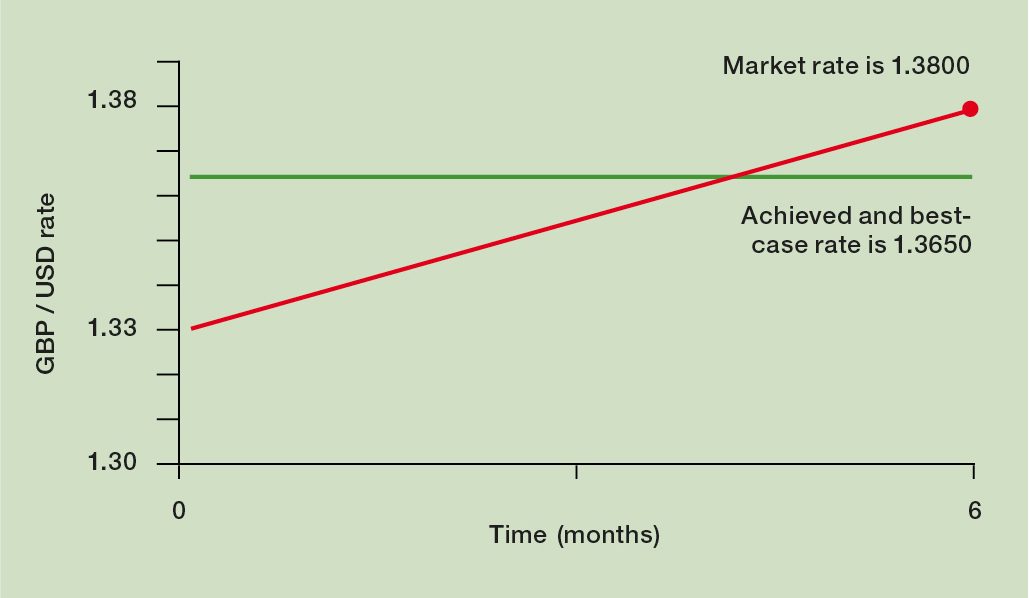
If the stock closed within the strike prices then there would be no affect on its value. If the collar did result in a net cost, or debit, then the profit would be reduced by that outlay. If the collar resulted in a net credit then that amount is added to the total profit.
When is a Forward Collar Useful?
When the call strike is set at 0. By moving the put strike lower, you get less downside protection. Essential for anyone serious about making money by scalping. It shows by example how to scalp trends, retracements and candle patterns as well as how to manage risk. It shows how to avoid the mistakes that many new scalp traders fall into. Options become more expensive when volatility increases. That makes forward collars attractive when volatility is high and especially good if it drops while the position is open.
The put, which has to be bought, will also be more expensive, but is usually offset by the higher value of the call which is closer to the money.
Collar (finance)
It could just as easily be a short position. In foreign currencies for example, if the position you want to collar is short, for example a position on a carry trade pair, the collar works the same but in reverse. The downside is protected by purchasing an out of the money call option. The reverse collar protects the short position against adverse upside movements. The price for that protection is giving up some of the profit, should the underlying move sharply lower.
Make International Payments
A regular collar always has a known maximum loss and maximum profit. But what happens if you leave out the position in the middle — that of the underlying? A fall in the underlying below the put strike would mean that the put option pays out, while the short call would expire out of the money.
The strategy would win if the underlying stayed the same or went into a bearish free fall. It loses if the underlying rallies. The advantage of this kind of strategy over simply holding the underlying outright is in the collection of the option premiums.